Patios, verandahs & carports
Building Permits, Made Easier
You do not need to work through every regulation on your own. We help shape a practical design, coordinate the permit process and build the approved project.
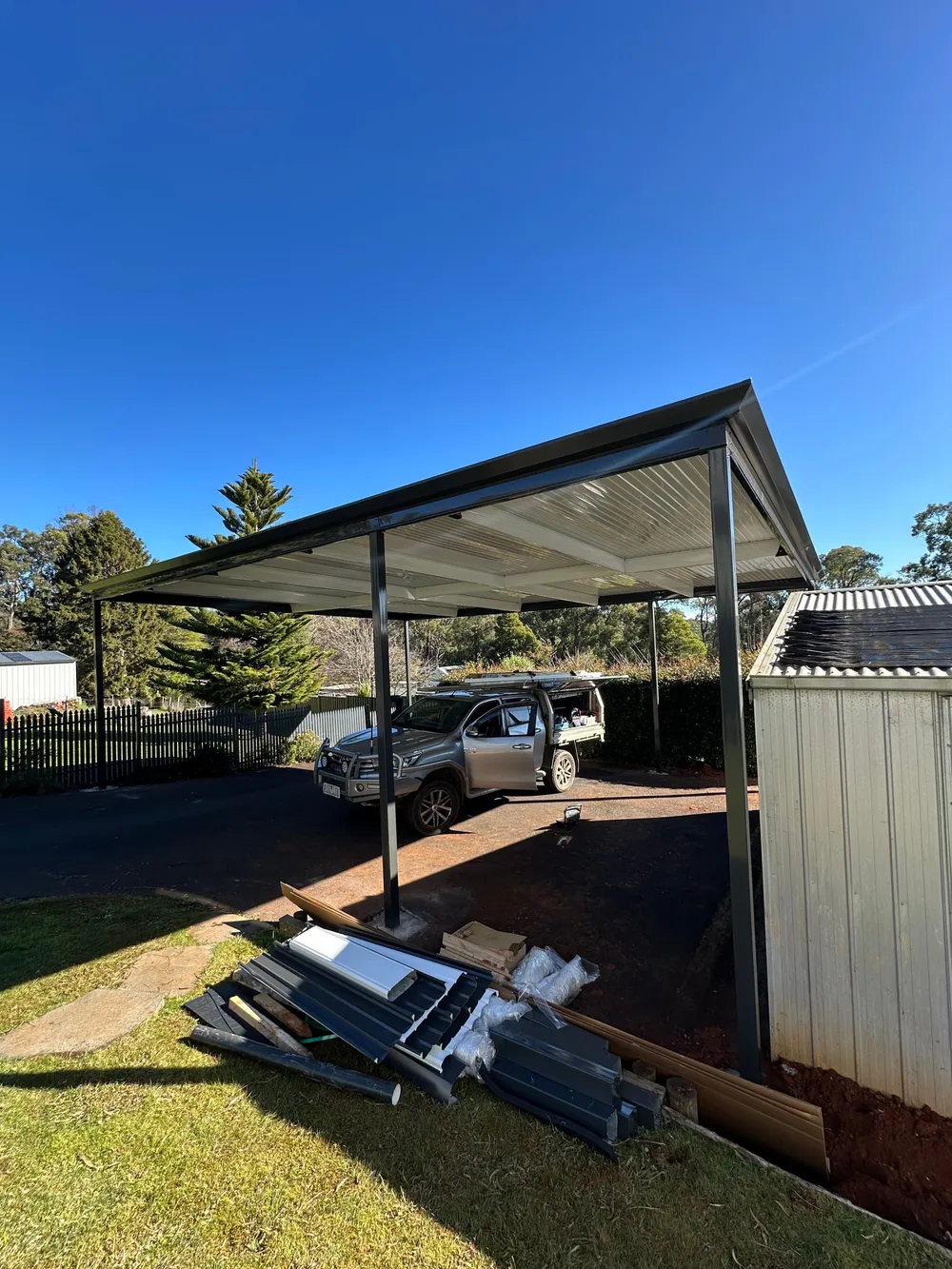
A clearer path to approval
You bring the idea. We help with the tricky parts.
Building permits can involve drawings, siting checks, engineering, surveyor questions and sometimes council approval. Our job is to make that process feel manageable and keep it connected to the project you actually want to build.
We consider the permit pathway while the design is still flexible, explain any decisions that affect your project and coordinate the right specialists when a permit is required.
One builder from planning to construction
2L Constructions is a licensed Victorian builder (DB-L 100314). We carry out the construction ourselves and coordinate specialist permit support where it forms part of your project.
About our builder licenceFrom idea to approval
How We Help
A straightforward process that keeps design, approval and construction working together.
- 01
We start with your idea
Tell us what you want to build and where you would like it to sit. We look at the site early so obvious permit issues can shape the design before they become expensive changes.
- 02
We coordinate the permit work
For the projects we manage, we engage a specialist third-party permit service to prepare the documentation and coordinate the approval process with the Registered Building Surveyor.
- 03
We build the approved design
Once the permit is in place, our team carries out the construction in line with the approved plans and required inspections.
Every site is different
What Can Affect the Permit?
There is rarely one answer that fits every property. A few details can change the approval path, which is why an early site-specific check matters.
- What you are building and whether it is open, roofed or enclosed
- Where it sits in relation to boundaries and other buildings
- Easements, planning overlays and other property restrictions
- The size, height, materials and connection to your home
Optional detailed guides
Want the Technical Detail?
Most clients can leave these checks to us. If you would like to understand the rules in more detail, these focused guides explain the two areas that most often shape a design.
Boundary Setbacks
How structure type, distance from the boundary and Report and Consent can affect patios, carports, sheds and garages.
Read the setback guideFire Separation
Why fire checks are separate from setback rules and what may change when a structure sits close to a boundary or another building.
Read the fire separation guideGood to know
Common Permit Questions
The short answers most homeowners need before getting started.
Do I need a building permit for my patio or carport?
Many patio, verandah and carport projects require a building permit. The answer depends on the design, size, location and site conditions, so we check the likely pathway before the project is locked in.
Do I have to manage the permit myself?
No. For projects where permit coordination is included, we work with a specialist third-party permit service that manages the drawings, documentation and communication needed for assessment. We keep you informed while the technical work happens behind the scenes.
Who actually issues the building permit?
A Registered Building Surveyor assesses the documentation and issues the building permit when the proposed work meets the applicable requirements. Council may also be involved if the site needs planning approval, Report and Consent or another separate approval.
Can I arrange my own permit?
Yes. If you prefer, you can obtain the permit through your own building surveyor and appoint 2L Constructions as the registered builder for the construction work.
Start Your Project
Tell Us What You Want to Build
We’ll talk through the site, the likely permit pathway and the next practical step for your patio, verandah or carport.