Licensed Builder in Victoria

Understand what our DBL-C license covers, why licensing matters, and how permits, insurance, and contracts keep your project protected.

Why Builder Licensing Matters

In Victoria, domestic building work must be completed by a properly licensed builder. Licensing protects homeowners by ensuring the builder is qualified, insured, and accountable to industry standards.

Consumer Protection

Licensed builders must meet Victorian Building Authority requirements and follow the Domestic Building Contracts Act and Building Act regulations.

Qualified Trade Scope

Our license confirms we can legally contract and manage domestic building work within our approved scope, ensuring the right expertise is applied to your project.

Compliance & Accountability

A licensed builder is accountable for compliance, permits, and proper insurance—reducing risk and avoiding costly issues later.

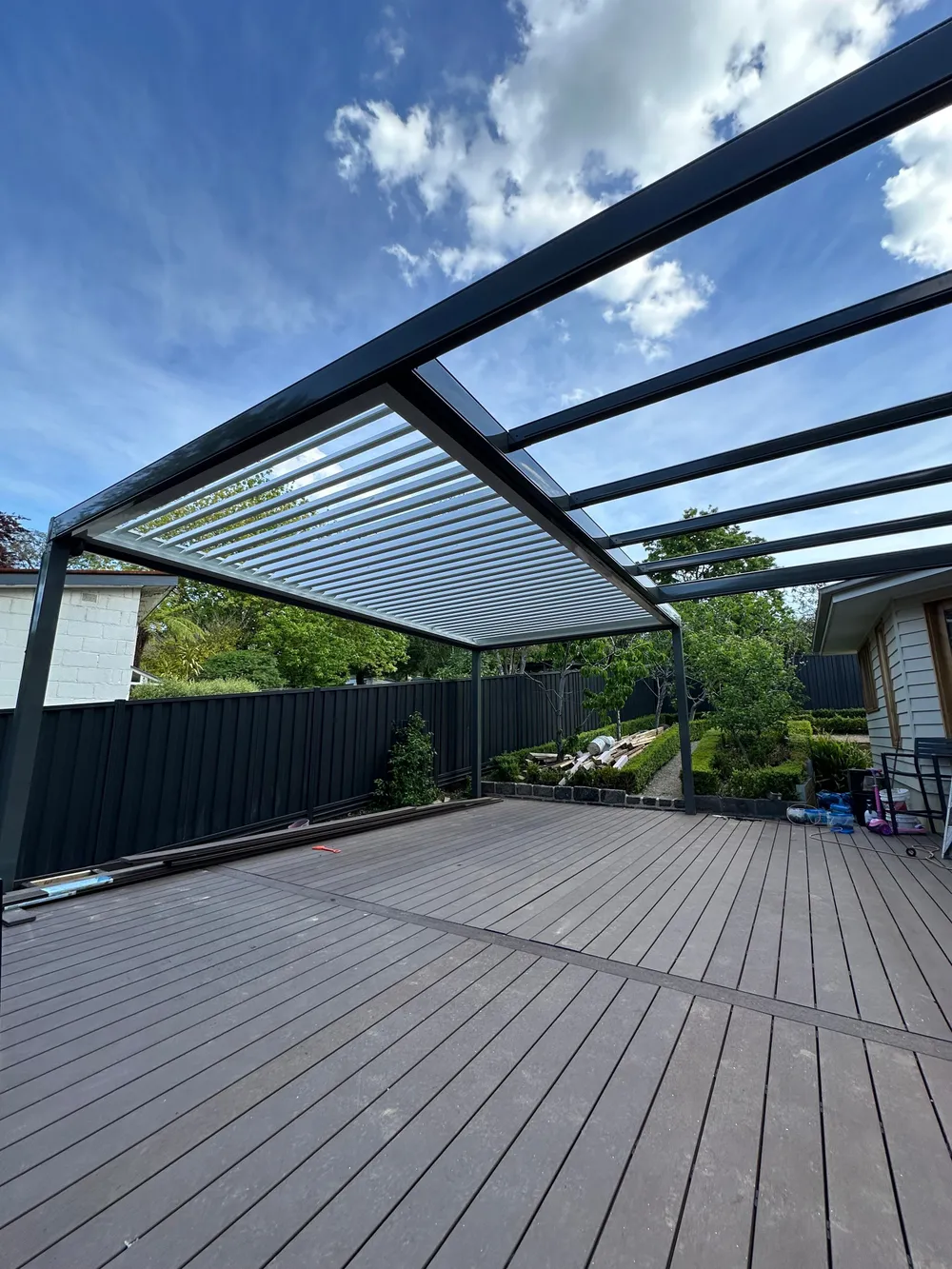
Stratco Outback patio installation

Our Builder License

Domestic Builder – Limited (Carpentry) | DBL-C 100314

DBL-C License

100314

Licensed domestic builder in Victoria (DBL-C), issued by the Build and Plumbing Commission.

Approved Scope

DBL-C covers domestic building work related to carpentry, structural timber, decks, pergolas, and outdoor structures.

Coordinated Trades

We work with appropriately registered trades for services outside the DBL-C scope to keep everything compliant.

Insurance & Contracts

Clear protections for projects above the statutory thresholds

Domestic Building Insurance

For domestic building work valued over $16,000 (incl. GST), Victorian law requires Domestic Building Insurance (DBI). The builder arranges the policy on behalf of the owner, and it protects the homeowner if the builder dies, disappears, or becomes insolvent. We organise this before work starts and before taking a deposit. The DBI cost is included in the quoted price.

Major Domestic Building Contract

Projects over $10,000 require a Major Domestic Building Contract outlining scope, timelines, and payment stages. This keeps expectations clear and protects both parties.

Always Confirm Requirements

Permit, insurance, and contract requirements can vary depending on scope, location, and project value. We confirm the exact obligations as part of your proposal.

Permits & Compliance

We manage the full permitting process for our patio projects

Building Permits

We handle the building permit process for our patio projects, including documentation, surveyor coordination, and approvals. Permit and management costs are typically $2,200.

Planning Considerations

Some sites may require council planning approval depending on overlays, boundaries, or neighborhood character. We can flag this early.

Client-Managed Permit Option

Prefer to manage permits yourself? You can obtain your own permit and appoint us as your registered builder.

5 Simple Design Rules

Follow these rules to keep the building permit process smooth and avoid extra council application fees.

1

Keep 1 Metre From the Boundary

Design your veranda to be 1 metre away from the boundary of your property. This is the most reliable way to ensure a range of applications are not triggered by your council.

The outside lip/face of your veranda gutter is the place you need to measure from to check that distance.

2

No Closer Than 500mm if Possible

If you need to design your veranda closer than 1 metre, try to keep the distance no closer than 500mm. This means fewer applications get triggered by your council, but some likely will. Going closer than 1 metre will always require a fire engineering certificate ($800), which Easy Permits organises as part of the process if required.

3

Absolute Minimum: 200mm From Gutter to Boundary

If you need to go closer than 500mm, the closest you can go and still get a building permit approved is 200mm from the outside lip/face of the veranda gutter to your property's boundary. Your actual veranda columns will be 360mm from the boundary (160mm gutter width + 200mm to the fence). This design will likely trigger the most extra council applications — probably 2, but could be less or more.

4

Cooldek: Stay 1 Metre From the Boundary

If you are designing a Cooldek veranda, keep the design 1 metre from the boundary. Being closer than this with Cooldek material will not be approved by a fire engineer.

5

Avoid Building Over or Near Easements

Don't design your veranda to be built over or within 1 metre of an easement. This avoids being knocked back by the water authority in your area.

DBL-C vs DBL-U: What's the Difference?

DBL-C is a limited domestic builder license for carpentry-related building work. DBL-U is an unlimited domestic builder license for broader project scopes. We’re transparent about our scope and advise when a DBL-U practitioner is required.

DBL-C (Limited Carpentry)

Authorises domestic building work primarily related to carpentry and structural timber elements. Ideal for decks, pergolas, framing, and outdoor structures.

DBL-U (Unlimited)

Authorises a broader scope of domestic building work, typically required for full-home builds or multi-trade projects beyond carpentry scope.

Ready to Talk About Your Project?

We’ll confirm licensing scope, permit requirements, and insurance before work begins.